By Phyllis Michaels, BArch · Last updated October 19, 2026
Quartz, quartzite or marble? It mostly comes down to two things. How much natural character do you want, and how much care are you willing to give the stone? Engineered quartz stays consistent and asks very little of you. Natural quartzite brings depth and movement and holds up well. Marble has the veining everyone falls for, but it etches when kitchen acids hit it.
That’s the short version.
The longer version matters, because a countertop can define a kitchen like this. We want the stone to look beautiful, sure. We also want it to fit how you actually cook and entertain (and how much wiping down you’re willing to do after a dinner party).
Is quartz the low-maintenance choice?
Mostly, yes. Engineered quartz is made from mineral ingredients mixed with resins and pigments, so the pattern is consistent from slab to slab (marble-look designs included). The surface is generally nonporous. No sealing, usually. Wipe up spills promptly and they come right off.
It isn’t bulletproof, though.
High heat can damage the resin, so a pan straight off the burner needs a trivet. Harsh chemicals and abrasive cleaners can dull the finish, too, and you’ll want to follow the manufacturer’s care instructions. One more thing we watch for in South Florida: strong direct sun. If the kitchen gets blasted with light, or you’re thinking about quartz for an outdoor kitchen, check the warranty first. Many manufacturers limit it for outdoor use.
It’s a good fit if you want predictable color and easy upkeep.
Why do people love quartzite?
The drama. Quartzite is natural stone (sandstone that heat and pressure turned into something much denser), and every slab has its own crystalline depth and movement. On an island, it can carry the whole room.
True quartzite is hard. It also stands up to acidic foods far better than marble does. Porosity varies from slab to slab, though, and some benefit from sealing.
Here’s the catch. Trade names can be misleading, and not everything sold as “quartzite” behaves like quartzite. Some of it is a softer, marble-like stone that etches. So ask the supplier and fabricator to confirm what the slab actually is and whether it resists acid. Ask how to care for it, too. Or test an offcut yourself. Put a drop of lemon juice on it and leave it a few minutes. Dull spot? Not true quartzite.
Can quartzite be backlit?
Some of it, yes. Certain quartzite slabs have translucent areas that glow when LEDs light them from behind, and the veining you barely notice in daylight suddenly shows up. We think of it as turning the stone into part of the architecture. Island fronts, waterfall panels, full-height backsplashes, a bar.
Not every slab can do it. Translucency and thickness matter. So do seams, structural support, ventilation, electrical access and how evenly the light spreads, plus how you’ll service the lights later. Always look at a lighting mockup with your actual slab, because cool light and warm light can make the same stone look like two different materials.
Is marble worth the upkeep?
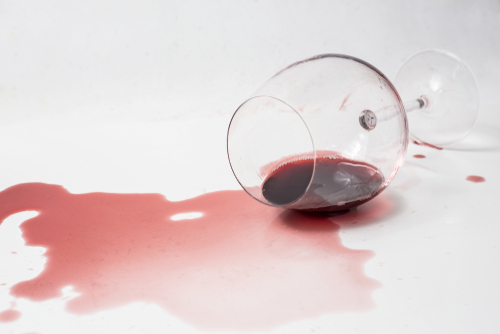
For the right person, absolutely. Marble has soft veining and real depth, and nothing else quite looks like it. It’s also the most sensitive of the three. Lemon juice, vinegar, wine and tomato can all etch the surface and leave dull patches, especially on polished marble.
Etching isn’t a stain, by the way. It’s a chemical change in the finish.
A penetrating sealer helps with absorption and staining. It won’t stop etching. Honed marble hides small marks better than polished does, but it still etches. Some homeowners love the patina that builds up over the years. Others can’t stand it, and it’s better to know which camp you’re in before the slab gets cut.
If you love marble but worry about the kitchen, clear protective films and specialty anti-etch coatings can cut down on acid damage. Neither one makes marble carefree. Read the installer’s written performance information and warranty before you commit.
How do they handle common spills?
| Exposure | Quartz | True quartzite | Marble |
|---|---|---|---|
| Lemon juice / vinegar | Generally resistant to brief contact | Generally acid-resistant | Can etch the finish |
| Wine / coffee | Usually stain-resistant; wipe promptly | May stain if porous or unsealed | May stain; acidic wine may also etch |
| Oil / sauces | Clean promptly with approved products | May stain depending on porosity | May stain; acidic sauces can etch |
| Hot pans | Use trivets; resin is heat-sensitive | Use trivets to reduce thermal-shock risk | Use trivets to protect stone |
These are general tendencies. Not guarantees. The exact slab or product matters, and so does how it’s finished, treated and cared for over the years.
How should you choose for a Boca Raton kitchen?
Start with what you care about most. Easy upkeep and a consistent pattern? Look at quartz. If natural movement (or a glowing island) is the heart of the design, explore verified quartzite. And if classic elegance matters more to you than a perfect surface, marble might be worth the extra attention.
Then go look at full slabs. Samples don’t tell you much.
Picture how the veining will run across the island and down a waterfall edge. Natural stone can be book-matched, which means two consecutive slabs open like the pages of a book so the veining mirrors at the seam. Engineered quartz can’t really do that. Seam placement and edge details have to work with the cabinetry and the layout, and that coordination happens in design, not on install day.
That’s where our design-build process comes in. We make the stone decisions early, before construction starts. With open-book pricing, you see the real cost difference between slabs (fabrication and edge profiles included) while you’re still choosing. If you’re trying to get a feel for the bigger budget picture, our 2026 kitchen renovation and remodel cost guide is a good place to start.
Frequently Asked Questions
Does lemon juice damage marble?
Yes, even sealed marble. Lemon juice is acidic, and acid reacts with the stone itself, so a sealer can’t stop it. Wipe it up right away and use a cutting board when you’re slicing citrus.
Is quartzite the same as quartz?
No. They sound alike, and showrooms don’t always help. Quartzite is natural stone, quarried and cut into slabs, so every one is different. Engineered quartz is manufactured from mineral ingredients bound with resins and pigments. That’s why quartz looks consistent and why it’s sensitive to heat in a way quartzite isn’t.
Can all quartzite countertops be backlit?
Not even close. The slab needs enough translucency to glow, and the lighting and installation take specialized planning. See a mockup with your own slab first.
Does sealing prevent marble from etching?
No. Standard penetrating sealers slow down absorption, which helps with stains. Etching is a different problem. It’s an acid reaction on the surface, and the sealer doesn’t block it. If etching is your main worry, ask about honed finishes, protective films or anti-etch coatings, and read the warranty on each.
Which material is best for a busy kitchen?
Depends on the household. Quartz is often the practical pick when you want low maintenance and don’t want to think about sealing. Verified quartzite gives you natural stone with strong everyday performance. The right answer comes down to the specific material and how your family actually uses the kitchen (the cook who leaves lemon halves on the counter is a real factor here).
Ready to pick your stone?
The best countertop is the one that fits how you live and still makes you stop and look at it. Quiet quartz or classic marble. Maybe a quartzite island that glows at night. Any of them can work with the right planning.
Take a look at our luxury kitchen remodeling services, browse our completed kitchen projects, or contact us to talk about your kitchen.
About the Author
Phyllis Michaels, BArch, founded Bluestone Contractors and is a Florida Certified General Contractor, the top tier of Florida’s contractor licensing. She’s an architect who also builds, and she leads design-build remodels in Boca Raton and Delray Beach, plus the rest of Palm Beach County. Her work has been recognized with industry honors. See her award-winning projects.